
Building Cow Paradise Inside Fukushima’s Nuclear Exclusion Zone
Thoughts and context on our new short film

After the Great East Japan Earthquake and nuclear accident in 2011, towns surrounding the Fukushima Daiichi Nuclear Power Plant became an evacuation zone. Pets were allowed to evacuate, but farmed animals weren’t.
Deemed unfit for consumption and economically worthless, cows were euthanized or abandoned in barns. Many of them starved to death drowning in a pool of their own waste.
For the past fifteen years, Satsuki Tani has been fighting to save the few who survived, sheltering them from government pressure to euthanize them, and building them a forever home called Momo Garden.
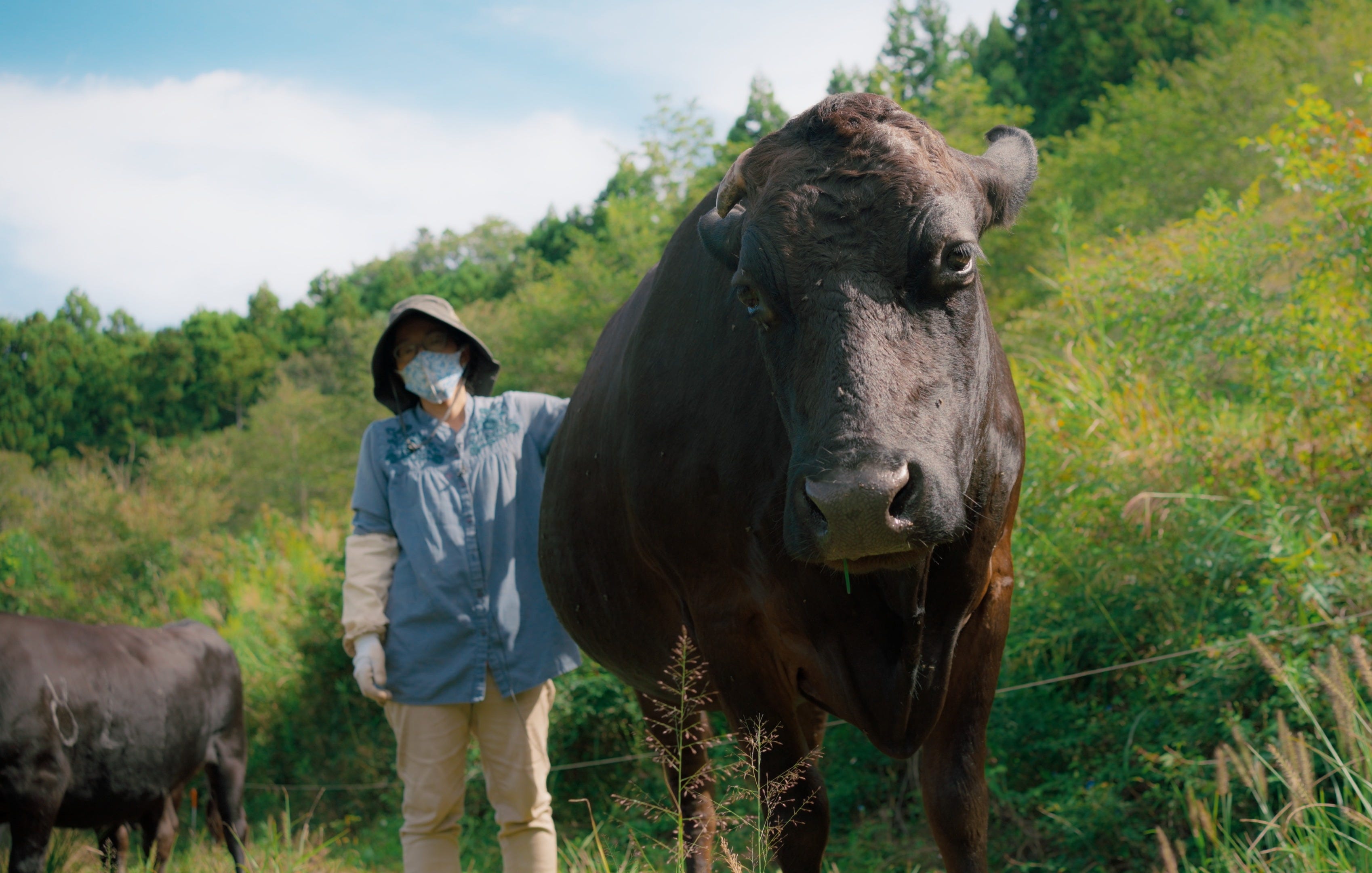
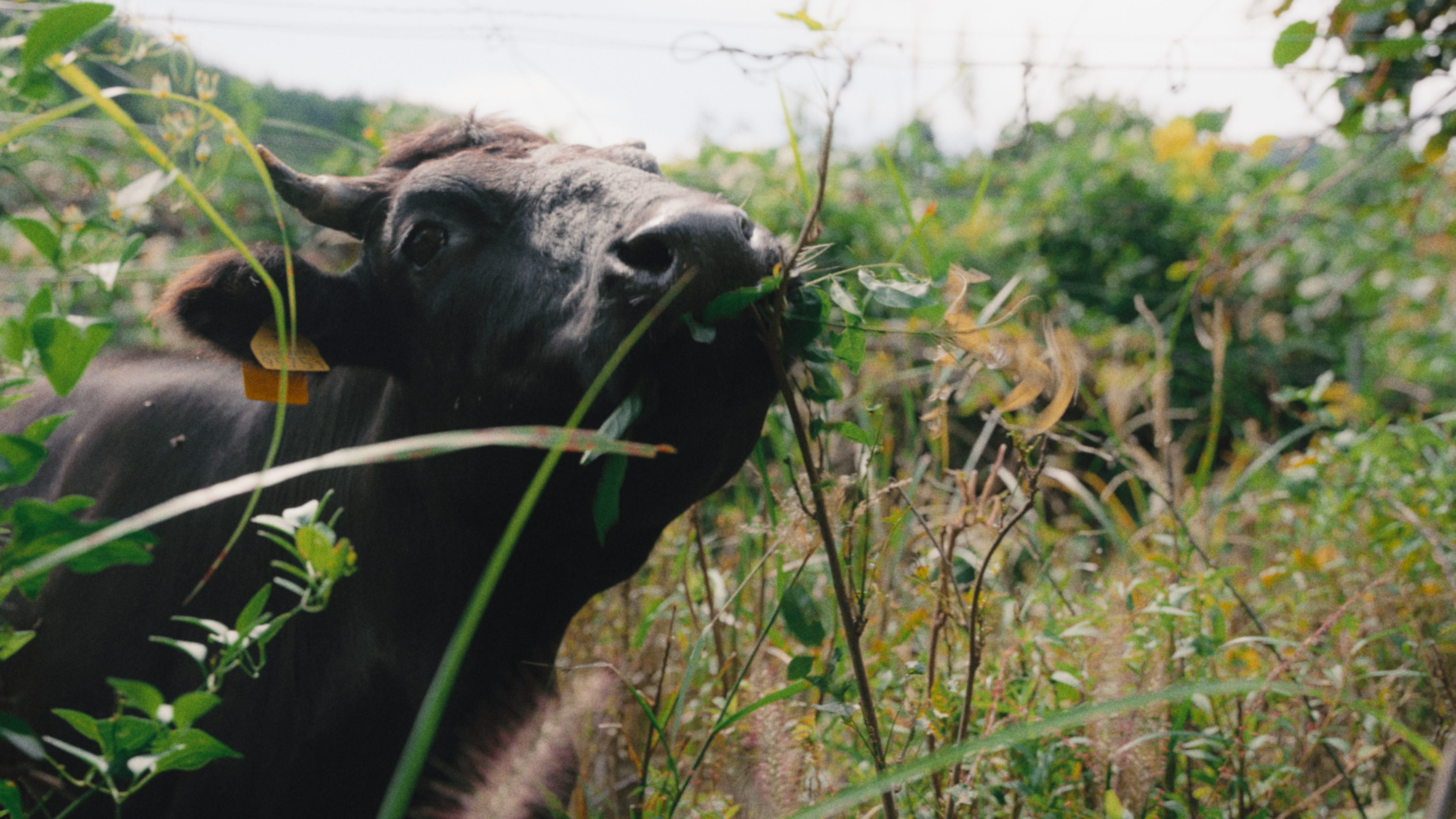
When I first heard of this place, I was skeptical. Momo Garden doesn’t call itself a sanctuary. Their website states that the cows are “working cows” whose “job” it is to maintain abandoned farmland by mowing down weeds. The cows also wear ear tags, a symbol of someone being reduced to something.
From an animal rights perspective, which unequivocally opposes using animals for human benefit, this place seemed morally questionable if not downright exploitative.
However, after hearing good things about it from trusted friends, I decided to check it out, and wow, my skepticism couldn’t have been more misplaced.
From the cows’ perspective (the most important perspective), this place might as well be cow paradise. They live lives of luxury: relaxing, hanging out, and eating all day (they get to just be cows!)
And Tani-san, their caretaker, is as radical as an animal rights advocate can be, and as dedicated as a caretaker can be. She’d give her life for the cows. She considers them her children.
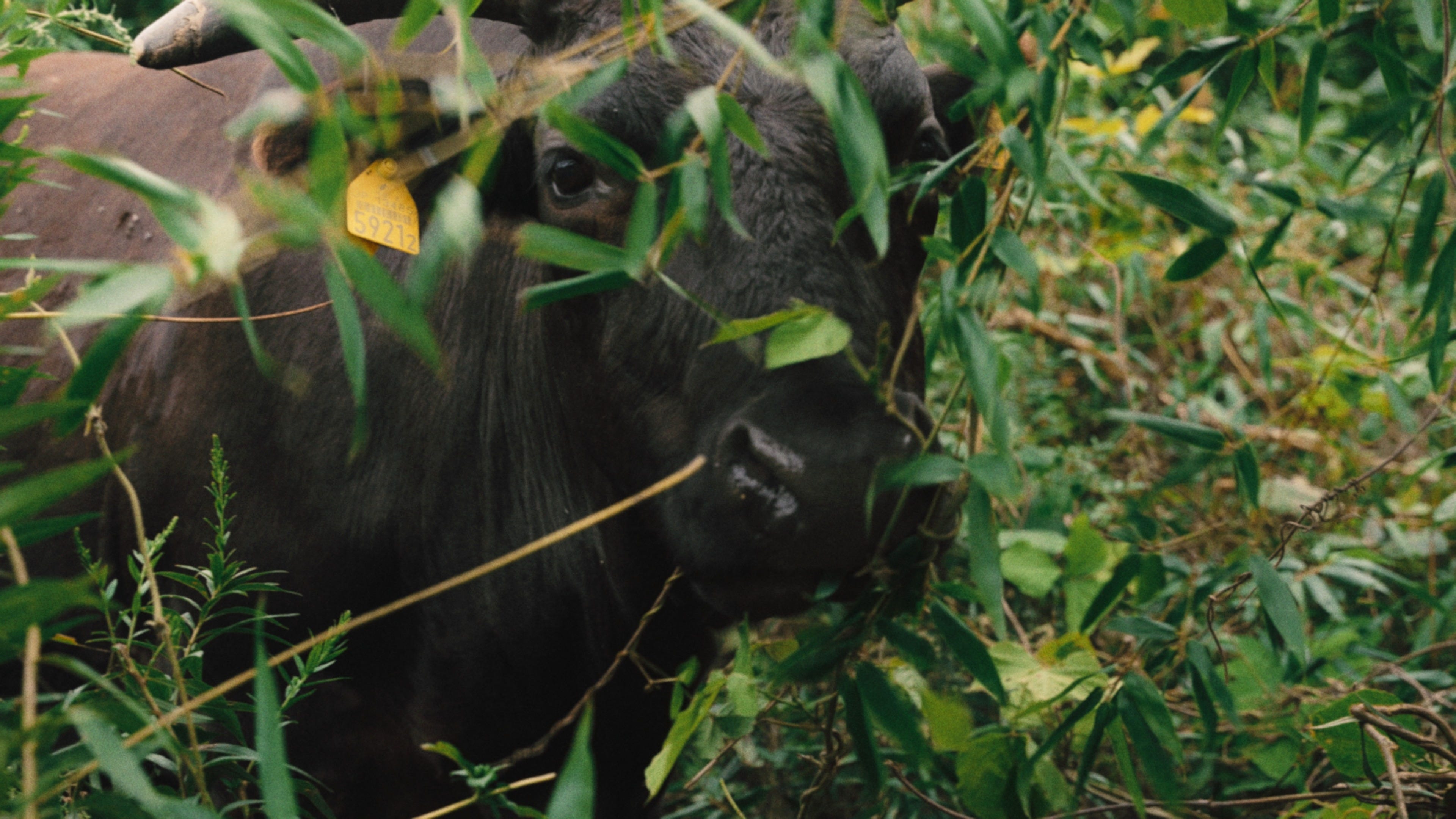
So, what’s with their ear tags and “jobs”?
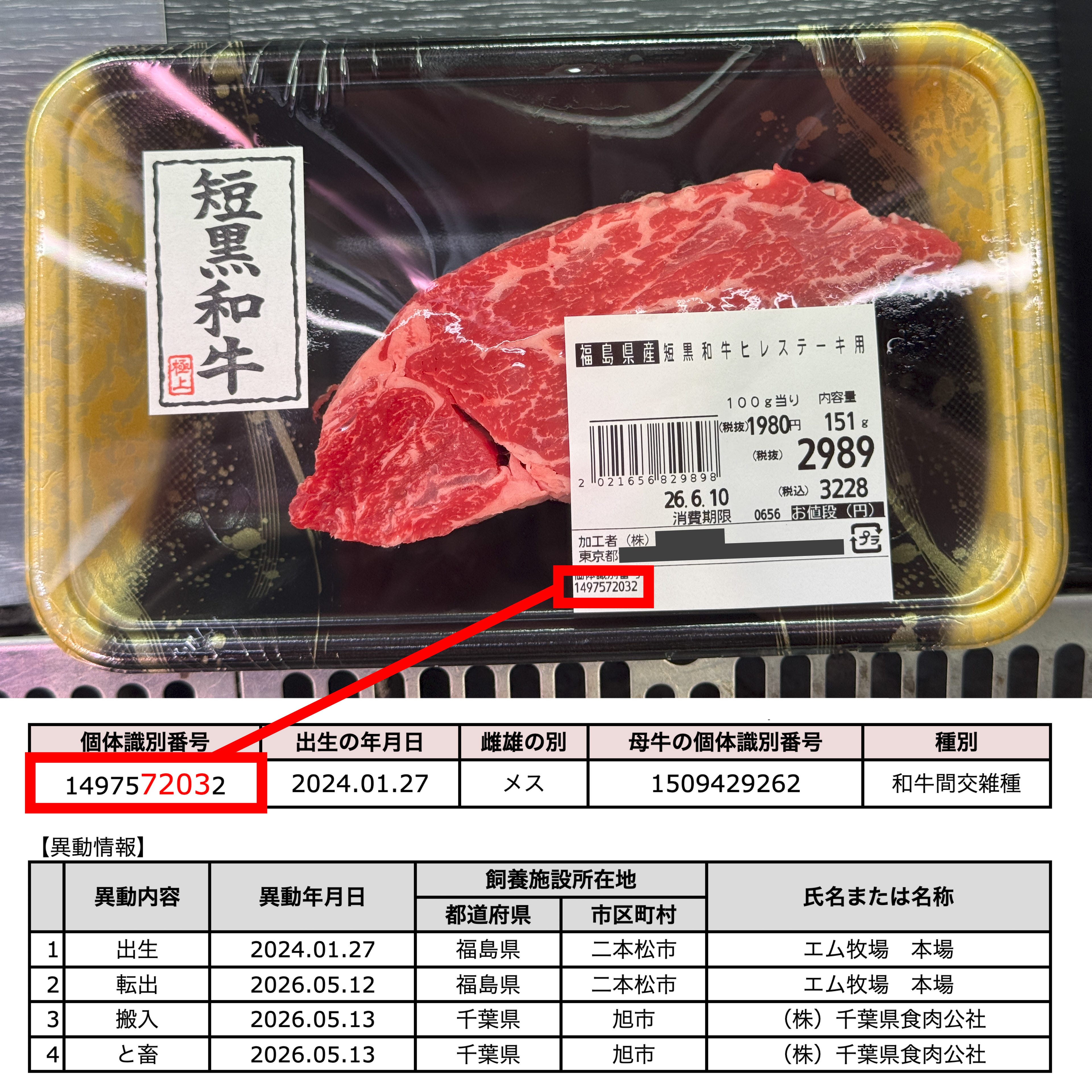
For the ear tags, every cow in Japan is legally required to have one. After mad cow disease outbreaks in the early 2000s, the government implemented a cow traceability system where every cow is assigned a ten-digit identification number. You can find this number on their ear tag and on the package their flesh is eventually sold in.
Yes, that means you can go to the store, pick up a “steak”, and look up exactly whose body part you’re holding. You can see what breed she was, where she was born, where she was exploited and where she was killed.
For their “jobs”, three things coincided when Tani-san was first trying to figure out how to save the cows.
First, cows whose barns broke down due to subsequent earthquakes were surviving outdoors off of wild, overgrown weeds, and they had gone from being emaciated to looking incredibly healthy.
Second, farmers repeatedly expressed their frustration to her about those same weeds, which made maintaining their farmland a nightmare. She recalls rice farmers telling her “if only there were cows here, they’d clean this right up!”
Third, she was facing increasing pressure from the local government to give up on the cows and have them euthanized.
And so, she put two and two together, and realized that assigning them this farmland maintenance “job” would provide the cows with a near infinite buffet of delicious food, actually help maintain farmland which otherwise would become unusable, and ease pressure from the government by pointing out: “look, these cows actually ARE useful to humans!” She’d be feeding three birds with one scone.
If it were up to Tani-san, none of this would be necessary. As far as she’s concerned, cows don’t need to justify their worth to anyone. However, given the world we live in, this is a brilliant compromise that enables these cows to live as happily and healthily as they would in a world class sanctuary. I mean really, these might be the healthiest looking cows I’ve ever seen.
In other words, the cows have jobs on paper to appease speciesist policy, but in practice spend their days just being cows.
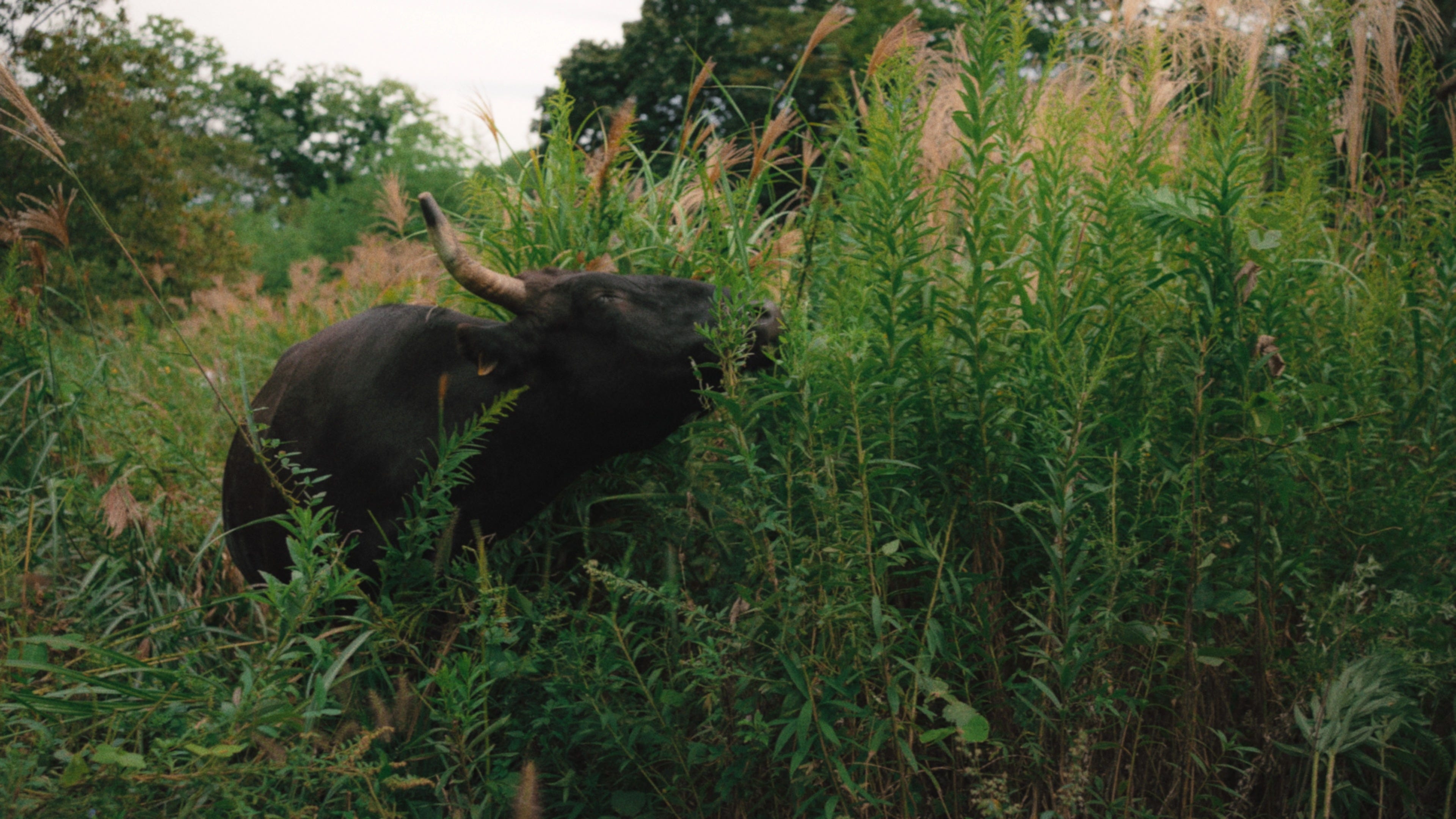
Before visiting Momo Garden, I naively thought cows just ate grass. However, it turns out that when given the choice, they’ll actually eat a HUGE variety of plants. And if you watch them long enough, you’ll see that they each have their preferences and eating strategy. For example, some of them eat up all the leaves before moving onto the stems. Tani-san tells me they know to load up on the plants that are good for them and avoid those that are not.
In the film, there’s a minute and a half sequence where you just see the cows eat. I know it may look boring and repetitive on the surface, but if you haven’t, please take a couple minutes to really sit through it and connect with the animals. This is who cows are when they’re happy, safe and free.
Also, something that I think doesn’t come across is just how resilient, dedicated, and inspirational Tani-san is. She gave up everything to move to Fukushima. She relentlessly fought for the cows when she herself wouldn’t be taken seriously as a young woman (a deadly combo in Japan). She kept looking for solutions when there was no clear path to saving the cows and everyone else had given up. She took care of them through sickness and broken bones.
Momo Garden is a place ahead of its time. In a world that treats cows as commodities, it’s a rare place where cows get to be cows and live out their lives as they deserve.
Such a heart-warming story Ryuji 💚🙏🏻💚
That was a really sweet take. I'm so happy for the cows there, but I feel sad for the countless others (cows and other animals) who are reduced to commodities across Japan (and the world). I'd love to hear your opinions on what you feel are the best strategies to undo the social conditioning in a place like Japan where everyone is brought up to see animals as objects and not as sentient beings. I recently visited the slaughterhouse in Shinagawa and seeing the rampant mindset of objectifying animals was truly saddening.